
Two pieces of news from two different points on the map were enough to send the oil market into a downward spiral. The first came from Saudi Arabia , the second from Iran . Both lead to the same point, the Strait of Hormuz .
Oil prices fell on Tuesday, with Brent crude falling as much as 2.9% before paring losses and stabilizing near $98 a barrel . Markets are assessing Riyadh’s efforts to restore exports through the East-West pipeline, combined with signs of a possible diplomatic de-escalation of the crisis.
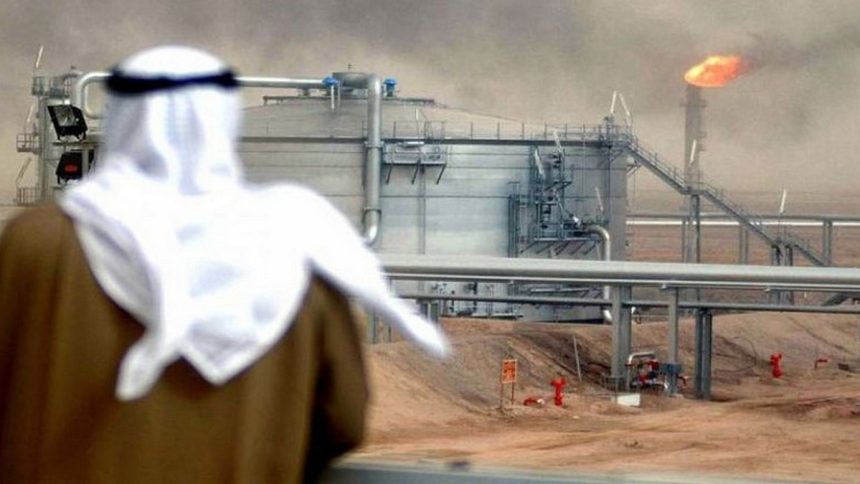
According to Bloomberg , Saudi Arabia is in the early stages of reopening the pipeline, which was shut down after drone attacks earlier this month. The authorities aim to fully restore exports within a week .
The importance of this pipeline goes far beyond Saudi production itself. With a capacity of 7 million barrels per day , it allows oil to be transported to the port of Yanbu on the Red Sea , bypassing the Strait of Hormuz . It is, in other words, Riyadh’s main safety net in case the world’s most critical energy passage is closed.
Its temporary shutdown had forced Saudi Arabia to re-route its exports through the Persian Gulf and the Ras Tanaura terminal, increasing its exposure to regional risks, particularly after the ongoing Houthi attacks. The prospect of reopening leads, as commodity market analysts point out, to a partial decompression of geopolitical risk .
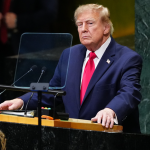
The second signal came from diplomacy. Investors are focused on the US – Iran talks on the sidelines of the UN General Assembly . Prices were pushed lower after an Iranian official told Reuters that Tehran could reopen the Strait within seven days if the US lifts its naval blockade of Iranian ports.
This statement carries weight because it sets out for the first time a specific timetable and a specific exchange . It is not yet a proposal for an agreement, but it is an indication that there is more than just general intentions on the table.
The picture, however, is far from normal. The prolonged crisis has led to prices rising more than 60% this year , while additional pressures on fuel markets have been caused by Ukrainian attacks on Russian refineries . Despite attempts at a ceasefire and recent contacts, the situation in energy markets remains fragile after six months of intense turmoil. Tuesday’s drop shows how quickly the market reacts to any sign of easing. But it also shows how easily it could reverse at the first new episode.